


Introduction
Marketplace-style ecommerce apps are no longer limited to giants like Amazon or Flipkart. In 2026, even mid-sized startups and regional entrepreneurs in Bangalore and across India are launching multi vendor platforms to build their own digital marketplace ecosystem.
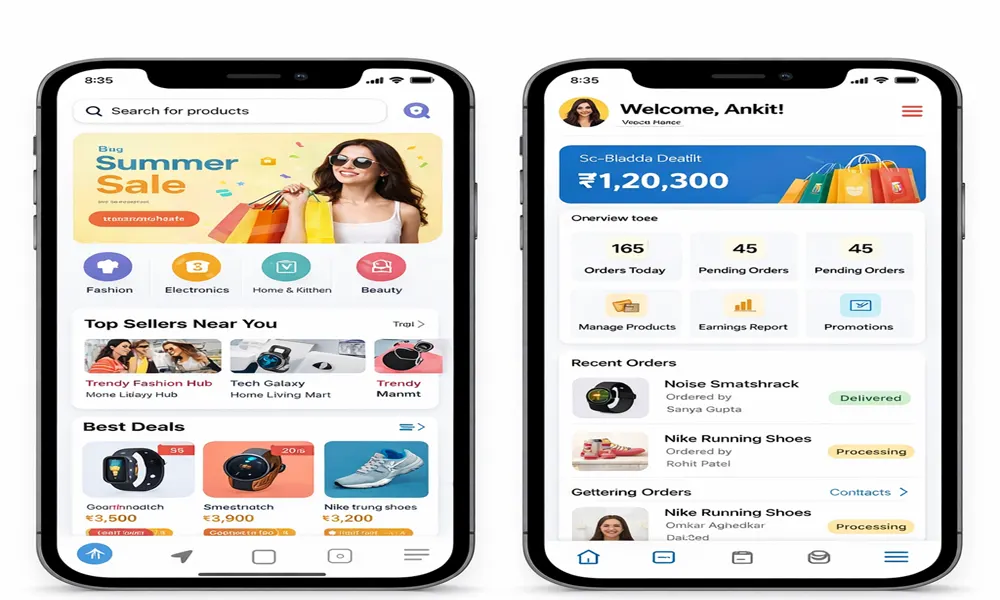
Unlike single-seller stores, a multi vendor ecommerce app allows multiple sellers to register, manage their products, handle orders, and reach customers through one unified platform. This brings scale, wider product variety, and faster growth — but it also introduces additional technical layers that impact development cost.
What is a Multi Vendor Ecommerce App?
A multi vendor ecommerce app is an online marketplace where:
- Multiple sellers create accounts
- Vendors list products independently
- Customers buy from different vendors in one cart
- Admin manages commissions, payouts, and platform rules
The major difference from a regular ecommerce store lies in vendor dashboards, commission handling, and multi-store order processing.
Estimated Cost to Build a Multi Vendor Ecommerce App in 2026
Basic Version (Startup Level)
Approx Cost: ₹4,00,000 – ₹8,00,000
- Customer mobile app
- Admin panel
- Vendor registration
- Product listing
- Basic checkout
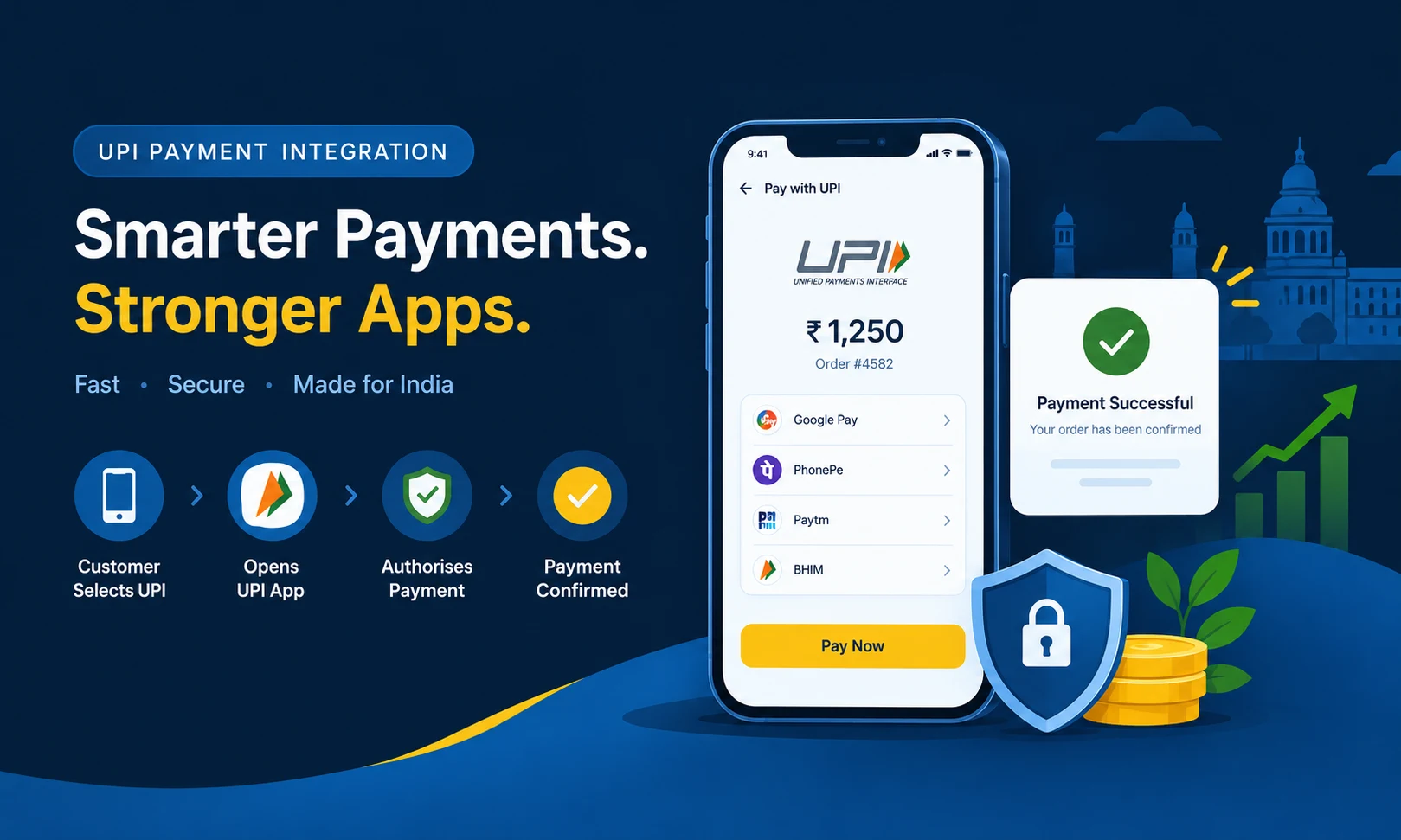
- Payment gateway integration
Mid-Level Marketplace Platform
Approx Cost: ₹8,00,000 – ₹18,00,000
- Customer mobile app (Android + iOS)
- Vendor dashboard
- Advanced product filters
- Order tracking
- Reviews and ratings
- Coupon system
- Push notifications
Advanced Enterprise Marketplace
Approx Cost: ₹18,00,000 – ₹45,00,000+
- AI-based product suggestions
- Multi-language support
- Vendor analytics
- Logistics API integration
- Wallet system
- Dynamic commission structures
- High-performance backend setup
Key Factors That Influence Development Cost
Number of User Panels
A multi vendor app generally includes customer app, vendor panel, and admin dashboard. Each additional role adds design and backend workload.
Vendor Management Features
Cost increases when the system includes seller verification, commission automation, subscription models, and product moderation flows.
Mobile App Technology
Native apps require higher budgets but provide smoother performance. Cross-platform frameworks help reduce cost while maintaining acceptable user experience.
Payment and Logistics Integrations
Integration with Indian payment gateways and courier services adds both development and testing effort.
Scalability Requirements
Planning for thousands of vendors or heavy traffic requires stronger server infrastructure, which affects total investment.
Hidden Costs Businesses Often Miss
Many businesses calculate only the development fee and forget recurring costs such as:
- Server hosting
- App store charges
- Maintenance and feature updates
- Security audits
- Marketing tool integrations
Why Businesses in Bangalore Prefer Custom Development
Ready-made marketplace scripts may look affordable but often become restrictive when business rules evolve. Custom-built platforms allow flexible commission models, unique workflows, and smoother integration with Indian logistics and payment systems.
Explore our marketplace solutions here: Multi Vendor Ecommerce App Development Services with support from a trusted mobile app development company in Bangalore.
How Long Does Development Take?
Typical development timeline:
- Basic marketplace: 2–3 months
- Mid-level platform: 4–6 months
- Advanced enterprise system: 6–10 months
Tips to Reduce Development Cost Without Compromising Quality
- Launch with a minimum feature set
- Focus on the buying journey first
- Use scalable architecture from the beginning
- Choose experienced ecommerce developers to avoid rework
Final Thoughts
Building a multi vendor ecommerce app in 2026 is not about copying large marketplaces. It is about creating a focused buying environment that solves a specific customer behaviour. With careful planning and the right development strategy, Indian startups can build reliable marketplace platforms without draining their capital.
Other Blogs
Subscribe
Get the latest blog updates directly in your inbox.