
Introduction
The food delivery industry in India has moved far beyond traditional restaurant models. With rising rental costs and changing customer behaviour, cloud kitchens are no longer an experimental idea — they have become a practical and scalable business model. However, many entrepreneurs step into development without understanding the actual investment required for building a cloud kitchen app.
This guide explains the real development costs in 2026, covering everything from basic features to advanced integrations. Whether you are a startup founder in Bangalore or an established restaurant expanding digitally, understanding the financial structure helps avoid unexpected expenses and delays.
What is a Cloud Kitchen App?
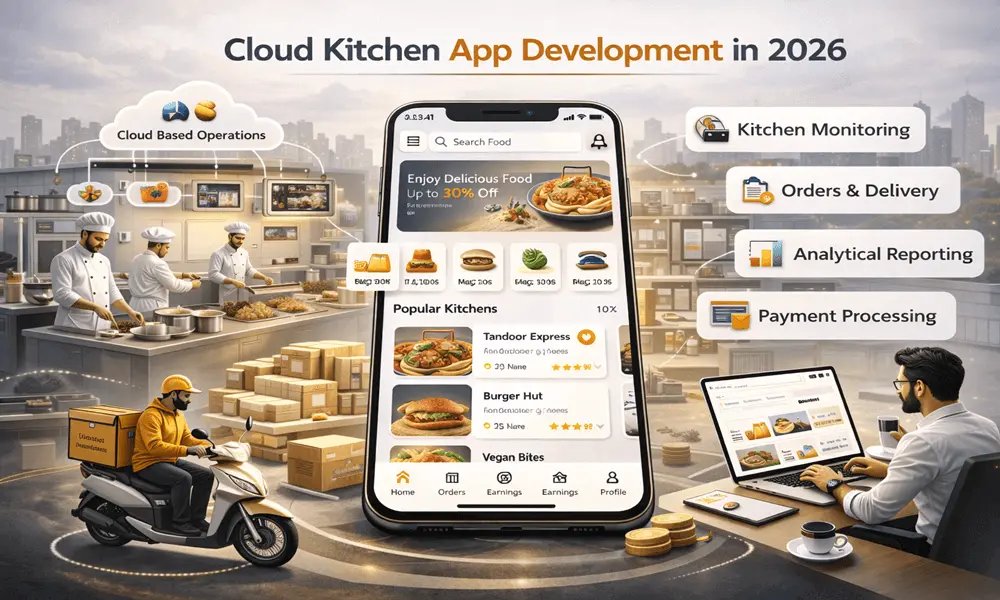
A cloud kitchen app is a digital platform designed for food businesses that operate without dine-in facilities. Orders are received online, processed digitally, and delivered directly to customers through logistics partners or in-house delivery teams.
Unlike simple ordering apps, a cloud kitchen system often includes:
- Customer ordering interface
- Kitchen management dashboard
- Delivery tracking module
- Payment integration
- Inventory and analytics systems
Because multiple components work together, development costs vary depending on complexity and business goals.
Major Factors That Influence Development Cost
1. Type of App Architecture
Single-brand apps cost less compared to multi-brand or aggregator platforms. If you plan to host multiple kitchen brands under one system, development complexity increases significantly.
2. Platform Selection
- Android only
- iOS only
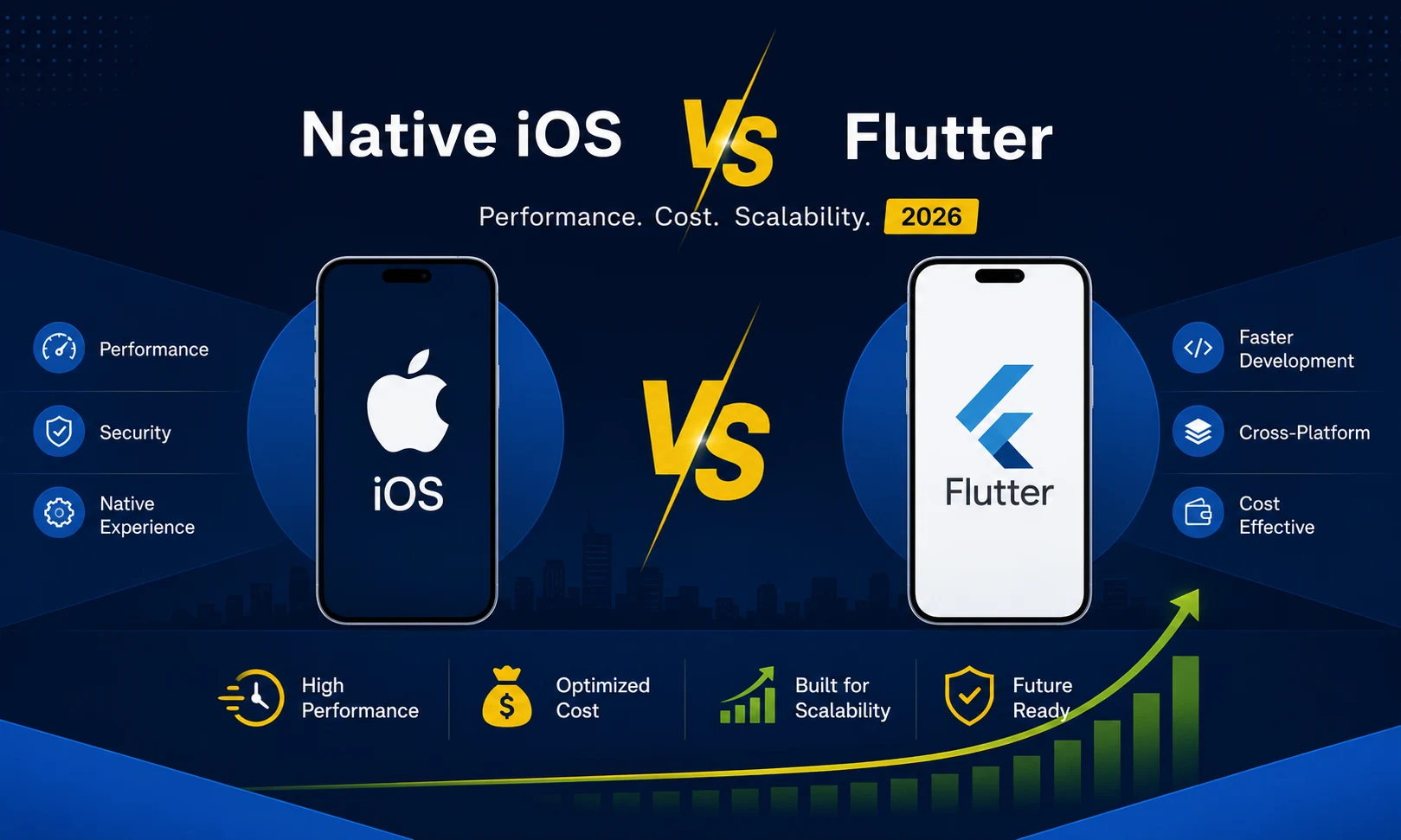
- Cross-platform (Flutter / React Native)
- Progressive Web App (PWA)
Cross-platform apps often reduce initial cost while maintaining reach.
3. Feature Depth
Basic apps include ordering and payment functionality. Advanced versions may involve:
- AI-based recommendations
- Real-time kitchen display systems
- Dynamic pricing
- Loyalty programmes
- Automated order routing
Each added layer influences the budget.
4. UI and Design Quality
Simple layouts are economical. Custom animations, motion interfaces, or highly interactive designs increase development time.
5. Backend Infrastructure
Scalable backend systems require strong server architecture, API development, and database optimisation. Businesses expecting high order volume should allocate additional budget for backend engineering.
Cloud Kitchen App Development Cost in India (2026)
Basic Cloud Kitchen App
Approximate Cost: ₹2.5 Lakhs – ₹5 Lakhs
- Customer ordering app
- Admin panel
- Basic payment gateway
- Order tracking
Best suited for single-brand kitchens or startups testing market response.
Mid-Level Cloud Kitchen Platform
Approximate Cost: ₹5 Lakhs – ₹12 Lakhs
- Android and iOS apps
- Kitchen dashboard
- Delivery partner integration
- Push notifications
- Analytics
Ideal for growing food businesses planning multi-location operations.
Advanced Multi-Vendor Cloud Kitchen System
Approximate Cost: ₹12 Lakhs – ₹30 Lakhs+
- Multi-brand management
- Vendor onboarding
- Advanced reporting
- Marketing tools
- Subscription modules
- Real-time operational analytics
Designed for aggregator-style platforms or large-scale food startups.
Hidden Costs Most Businesses Ignore
- Server hosting and cloud services
- Maintenance and updates
- Security monitoring
- Payment gateway transaction fees
- Marketing automation tools
Ignoring these can lead to operational stress later.
If you are planning to build a food delivery platform, consult an experienced or a trusted mobile app development company in Bangalore to understand the technical structure, cost estimation, and long-term scalability before starting development.
Cost-Saving Strategies Without Compromising Quality
- Start with MVP (Minimum Viable Product) to validate market demand.
- Use cross-platform frameworks for faster deployment.
- Integrate existing delivery APIs instead of building from scratch.
- Choose modular architecture to add features gradually.
These methods reduce initial spending while keeping expansion options open.
Why Bangalore is a Strong Choice for Development
Bangalore continues to be a preferred location for cloud kitchen app development due to its experienced developer community, access to food-tech startups, and strong ecosystem of payment, logistics, and cloud infrastructure providers. Businesses working with local development companies often benefit from faster communication and better industry insights.
Final Thoughts
Cloud kitchen app development is not just about coding; it is about creating a system that supports operational efficiency, customer engagement, and business scalability. Costs vary widely depending on features, platforms, and long-term goals. Planning your budget with clarity helps avoid unnecessary rework and ensures smoother growth.
For businesses entering the food delivery industry in 2026, a structured approach to app development investment is far more valuable than simply choosing the cheapest option.
Other Blogs
Subscribe
Get the latest blog updates directly in your inbox.