

Difference Between DV, OV, and EV SSL Certificates and Which One Is Better for SEO?
In today’s digital world, website security is not optional. Whether you run a blog, a business website, or an eCommerce store, having an SSL certificate is essential. It protects your visitors’ data and builds trust.
But when you start exploring SSL options, you’ll see three common types: DV, OV, and EV. Many website owners feel confused about which one to choose and whether it affects SEO.
In this guide, W3 Dream Solutions, a leading Website Development Company in Bangalore, explains the difference between DV, OV, and EV SSL certificates and helps you understand which one is right for your website.
What Is an SSL Certificate?
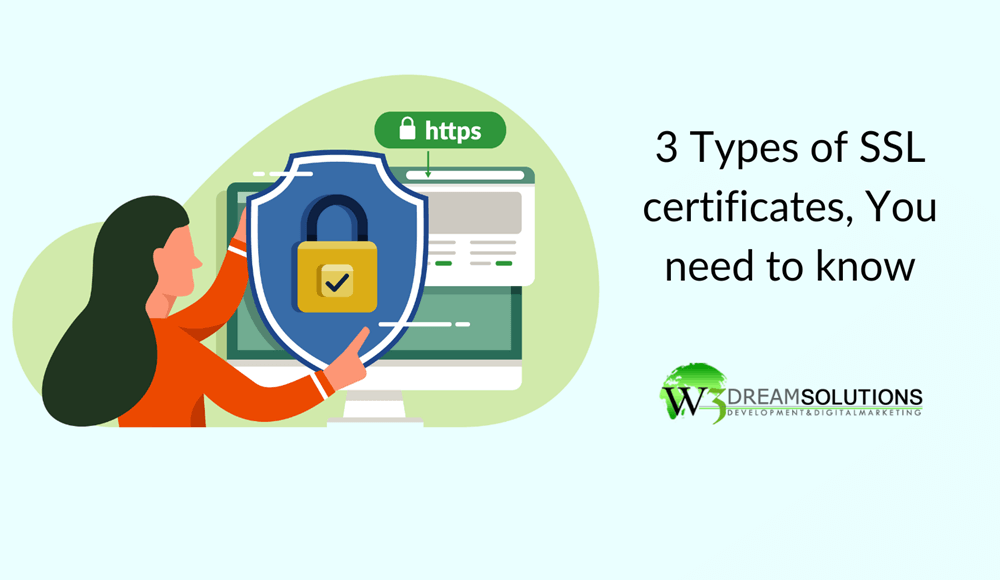
An SSL certificate secures the connection between a user’s browser and your website server.
When SSL is installed:
-
Your website shows https:// instead of http://
-
A padlock icon appears in the browser
-
Data such as passwords and payment details are encrypted
Google considers HTTPS as a ranking factor. While it may not drastically boost rankings, having SSL improves security and user trust, which supports better SEO performance.
Types of SSL Certificates Explained
1. Domain Validation (DV) SSL
DV is the most basic type of SSL certificate.
Verification Process:
Only confirms that you control the domain. No business verification is done.
Advantages:
-
Low cost
-
Quick issuance (often within minutes)
-
Easy setup
Limitations:
-
Does not display company details
-
Offers minimal trust signals
SEO Impact:
There is no direct ranking advantage over other SSL types. However, having HTTPS is important. Without SSL, your website may show “Not Secure,” which can reduce user trust and click-through rates.
Best For:
-
Personal blogs
-
Portfolio websites
-
Small informational websites
2. Organization Validation (OV) SSL
OV offers a higher level of verification compared to DV.
Verification Process:
Confirms domain ownership and verifies the organization behind the website.
Advantages:
-
Displays verified company details
-
Builds more trust than DV
-
Suitable for business websites
Limitations:
-
More expensive than DV
-
Takes longer to issue
SEO Impact:
Like DV, OV does not provide a direct ranking boost. However, improved trust can increase user engagement and click-through rates, which indirectly benefits SEO.
Best For:
-
Business websites
-
Service-based companies
-
Corporate websites
3. Extended Validation (EV) SSL
EV provides the highest level of trust and verification.
Verification Process:
Confirms domain ownership, verifies company registration, and checks physical existence and business legitimacy.
Advantages:
-
Highest trust level
-
Strong brand credibility
-
Ideal for high-value transactions
Limitations:
-
Most expensive option
-
Longest verification process
SEO Impact:
There is no special ranking benefit over DV or OV. However, for websites handling sensitive data like payments or financial transactions, EV can significantly improve user confidence and conversion rates.
Best For:
-
eCommerce websites
-
Financial institutions
-
Large enterprises
-
Websites handling sensitive user data
Which SSL Certificate Is Better for SEO?
From a pure SEO perspective:
-
Google treats all HTTPS websites equally, whether DV, OV, or EV.
-
The ranking benefit comes from having HTTPS, not from the certificate type.
However, trust plays a major role in user behaviour.
Better trust leads to:
-
Higher click-through rates
-
Lower bounce rates
-
Better conversion rates
These behavioural signals indirectly support SEO performance.
So while EV is not “better” for ranking, it may improve user confidence for certain businesses.
How to Choose the Right SSL Certificate
Here are simple guidelines:
✔ If you run a basic blog or small website → DV is usually enough.
✔ If you run a business website → OV adds more credibility.
✔ If you handle payments, financial data, or sensitive information → OV or EV is recommended.
Also consider your budget and long-term brand goals before deciding.
Why HTTPS Is Non-Negotiable
No matter which certificate type you choose:
-
HTTPS is mandatory for website security.
-
Modern browsers mark non-HTTPS websites as unsafe.
-
Users are less likely to trust unsecured websites.
Security is not just a technical requirement. It is part of your brand reputation.
Secure Your Website with the Right Partner
Choosing the correct SSL certificate can feel confusing, especially if you are unsure about technical details.
At W3 Dream Solutions, Website Design Company in Bangalore, we help businesses:
-
Select the right SSL certificate
-
Install and configure HTTPS properly
-
Improve website security
-
Optimize websites for better SEO performance
Your website security directly impacts user trust and online success.
If you are planning to upgrade your website security or launch a new website, contact W3 Dream Solutions today for a free consultation and secure your website with confidence.
Other Blogs
Subscribe
Get the latest blog updates directly in your inbox.