
Introduction: Dating Apps Are Still Booming — But Costs Matter
Swipe-based dating apps are no longer a novelty. They have become part of daily digital behaviour, especially among urban users in cities like Bangalore, Mumbai, and Delhi. But while the idea of launching a Tinder-like app sounds exciting, the real question founders ask is simple — how much money will this actually take?
The answer is not a flat number. It depends on what you build, how you build it, and who builds it. A well-planned app can save lakhs, while a rushed one can quietly drain budgets without clear outcomes.
What Defines a Tinder-Like App?
At its core, a dating app like Tinder revolves around a few key mechanics:
- Profile creation with photos and bio
- Swipe-based matching system
- Real-time chat after a successful match
Everything else — like video calls, boosts, or smart suggestions — can be added later once the base product gains traction.
Core Features That Influence Development Cost
User Profile Setup
Users upload photos, set preferences, and write short bios that represent their personality.
Swipe Mechanism
Right swipe to like and left to skip. This interaction must feel smooth and quick to keep users engaged.
Matching Algorithm
A backend system that detects mutual interest and creates a match.
Chat System
Messaging functionality with notifications and media sharing.
Location-Based Discovery
Profiles are shown based on user location using GPS integration.
Admin Panel
A control dashboard to manage users, monitor reports, and oversee platform activity.
Advanced Features That Increase Cost
After the base version performs well, startups often expand with:
- Video and voice calling features
- Smart match suggestions based on behaviour
- Profile verification systems
- Premium subscriptions and boosts
- Priority visibility features
Each addition increases development time, testing effort, and overall cost.
Cost Breakdown to Build a Tinder-Like App in India (2026)
Basic Version (MVP)
- ₹5 Lakhs – ₹10 Lakhs
- Includes login, swipe, match, and chat
Mid-Level App
- ₹10 Lakhs – ₹20 Lakhs
- Improved UI, better matching logic, push notifications
Advanced App
- ₹20 Lakhs – ₹40 Lakhs+
- Includes video features, AI logic, and monetisation systems
Bangalore-based development teams may charge slightly higher, but they often bring sharper execution and product clarity.
Key Factors That Affect Cost
Platform Choice
- Android only — lower cost
- iOS + Android — higher investment
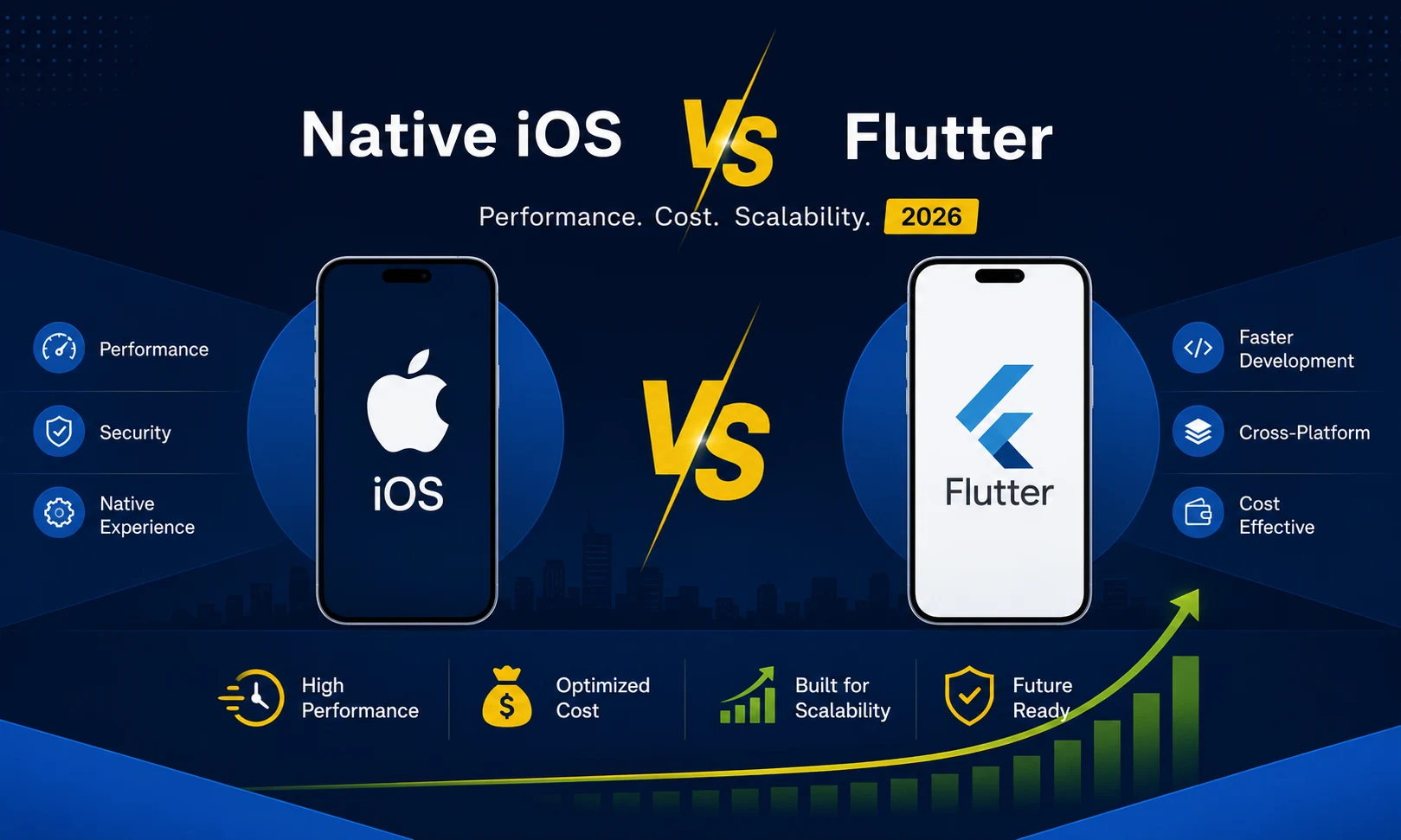
- Cross-platform — balanced option
Technology Stack
Frameworks like Flutter or React Native reduce development effort compared to building separate native apps.
UI/UX Complexity
Heavy animations and design details increase both design time and development cost.
Backend Infrastructure
Real-time chat, matchmaking, and data handling require a strong backend setup.
Development Timeline
- MVP version: 2 to 4 months
- Mid-level app: 4 to 6 months
- Full-featured platform: 6+ months
Timelines depend on clarity of requirements and team coordination.
Hidden Costs Most Founders Ignore
- Server and hosting charges
- App store publishing fees
- Ongoing maintenance and updates
- Marketing and user acquisition
- Customer support systems
Smart Cost-Saving Tips for Startups
- Start with an MVP instead of a full product
- Use cross-platform development
- Avoid adding too many features at launch
- Work with developers who understand product planning
Monetisation Options for Dating Apps
- Subscription plans
- In-app purchases such as boosts
- Advertising after user base growth
Choosing the Right App Development Company in Bangalore
Working with a Bangalore-based team allows quicker discussions, better understanding of Indian users, and easier long-term collaboration.
To understand our approach to planning, feature structuring, and cost estimation, explore our dating app development services.
Final Thoughts
Building a Tinder-like app in India in 2026 is not about spending big — it is about spending wisely. Start with a focused version, observe how users behave, and grow step by step based on real usage.
The apps that succeed are not overloaded from day one; they are shaped gradually based on what people actually enjoy using.
Other Blogs
Subscribe
Get the latest blog updates directly in your inbox.