

Introduction
The way people search online has changed dramatically over the last few years. Earlier, almost every online journey started with Google. Today, people ask questions directly to AI assistants like ChatGPT, Gemini, Copilot and Perplexity instead of typing a few keywords into a search box.
This shift has introduced two new concepts that every business owner, marketer and website owner should understand—Answer Engine Optimisation (AEO) and Generative Engine Optimisation (GEO).
Does this mean SEO is no longer useful? Certainly not. Search Engine Optimisation (SEO) continues to be the foundation of online visibility. However, depending only on traditional SEO in 2026 means overlooking a growing audience that prefers AI-powered search experiences.
In this article, you'll understand the difference between SEO, AEO and GEO, how each approach works, and why combining all three creates a stronger digital presence for the years ahead.
What is SEO?
SEO (Search Engine Optimisation) is the process of improving a website so that it appears higher in search engines like Google and Bing. The objective is to attract relevant visitors organically without depending entirely on paid advertisements.
A good SEO strategy focuses on creating valuable content, improving website performance and ensuring users enjoy a smooth browsing experience.
- Keyword research
- High-quality content creation
- Website speed optimisation
- Mobile responsiveness
- Technical SEO improvements
- Backlink building
- Internal linking
- User experience
For example, when someone searches for "Best Website Development Company in Bangalore", search engines analyse thousands of websites before displaying the most relevant results. A properly optimised website has a much better chance of appearing on the first page.
If you're planning a new business website, explore our Website Development Services to build an SEO-friendly foundation from day one.
What is AEO?
AEO (Answer Engine Optimisation) is designed to help search engines and AI assistants provide direct answers instead of simply displaying a list of web pages.
Today's users ask complete questions rather than searching with short keywords. AI systems try to understand these questions and deliver the most accurate answer instantly.
Examples include:
- Which CRM is best for small businesses?
- How much does an ecommerce website cost in India?
- What is GST registration?
AEO focuses on creating content that clearly answers these questions in a simple and trustworthy manner.
- Question-based content
- Well-structured headings
- FAQ-ready information
- Schema markup
- Short and accurate explanations
- Reliable references
The goal is to make your content easy for search engines and AI assistants to understand and present as a direct answer.
What is GEO?
GEO (Generative Engine Optimisation) is a modern optimisation approach created for AI-powered search platforms that generate complete responses instead of showing only website links.
These platforms gather information from multiple trusted sources before preparing an answer for the user.
Examples include:
- ChatGPT
- Google AI Mode
- Google AI Overviews
- Microsoft Copilot
- Perplexity AI
- Claude
Rather than concentrating only on keyword rankings, GEO aims to position your website as a reliable source that AI platforms can confidently reference while generating responses.
Businesses investing in AI-Powered Website Development can prepare their websites for this rapidly evolving search environment.
SEO vs AEO vs GEO – Understanding the Difference
Although these three strategies are connected, they serve different purposes.
- SEO helps your website rank in traditional search engines.
- AEO helps search engines and AI assistants provide direct answers.
- GEO improves the chances of your website being referenced by AI-generated search platforms.
Instead of competing with one another, they complement each other and together improve your overall online visibility.
Why SEO Alone is Not Enough in 2026
Consumer behaviour has evolved significantly. People no longer search using only short phrases. They ask detailed, conversational questions and expect immediate answers.
Instead of searching for "Best accounting software India", users now ask questions like:
"Suggest accounting software suitable for a manufacturing company with GST billing."
AI platforms analyse the question, compare multiple sources and provide a complete answer. If your website only targets keywords without addressing genuine user questions, it may never become part of that response.
That's why AEO and GEO are becoming equally important alongside traditional SEO.
How SEO, AEO and GEO Work Together
Think of these three strategies as different layers of the same digital marketing approach.
- SEO helps people discover your website.
- AEO helps search engines understand your answers.
- GEO helps AI platforms recognise your website as a trusted source.
When combined, your content becomes useful across:
- Google Search
- Bing Search
- Voice Search
- AI Assistants
- Chatbots
- Future AI-powered search platforms
How to Optimise Your Website for SEO, AEO and GEO
Create Helpful Content
Write articles that solve real customer problems instead of repeating keywords. Original insights, practical advice and real-world examples create greater credibility.
Answer Real Questions
Include sections that answer the questions your customers genuinely ask before purchasing your products or services.
Improve Website Speed
Fast-loading websites create a better user experience and are preferred by both search engines and AI crawlers.
Build Authority
Publish informative blogs, industry updates, case studies and original opinions regularly to strengthen your website's credibility.
Use Structured Data
Schema markup helps search engines understand your pages more accurately, increasing the likelihood of appearing in rich results and AI-generated answers.
Keep Your Content Updated
Review important pages periodically to ensure information remains current, accurate and relevant.
Strengthen Internal Linking
Connect related blogs and service pages naturally. This improves navigation while helping search engines understand your website structure.
You can also explore our SEO Services to improve your website's visibility across both traditional search engines and AI-driven search experiences.
Common Mistakes Businesses Make
Many businesses unknowingly reduce their online visibility by following outdated SEO practices.
- Writing only for search engines instead of real readers.
- Publishing duplicate or copied content.
- Ignoring user questions.
- Not updating older articles.
- Slow-loading websites.
- Poor internal linking.
- Weak website structure.
- Overusing keywords unnaturally.
Which Strategy Should Your Business Focus On?
The real answer isn't choosing between SEO, AEO or GEO. Successful businesses in 2026 will use all three together.
Your website should be capable of ranking on Google, answering customer questions clearly and becoming a trusted information source for AI-powered search platforms.
Whether you're running a service-based business, an ecommerce store or a corporate website, investing in all three optimisation strategies will create stronger long-term visibility.
Final Thoughts
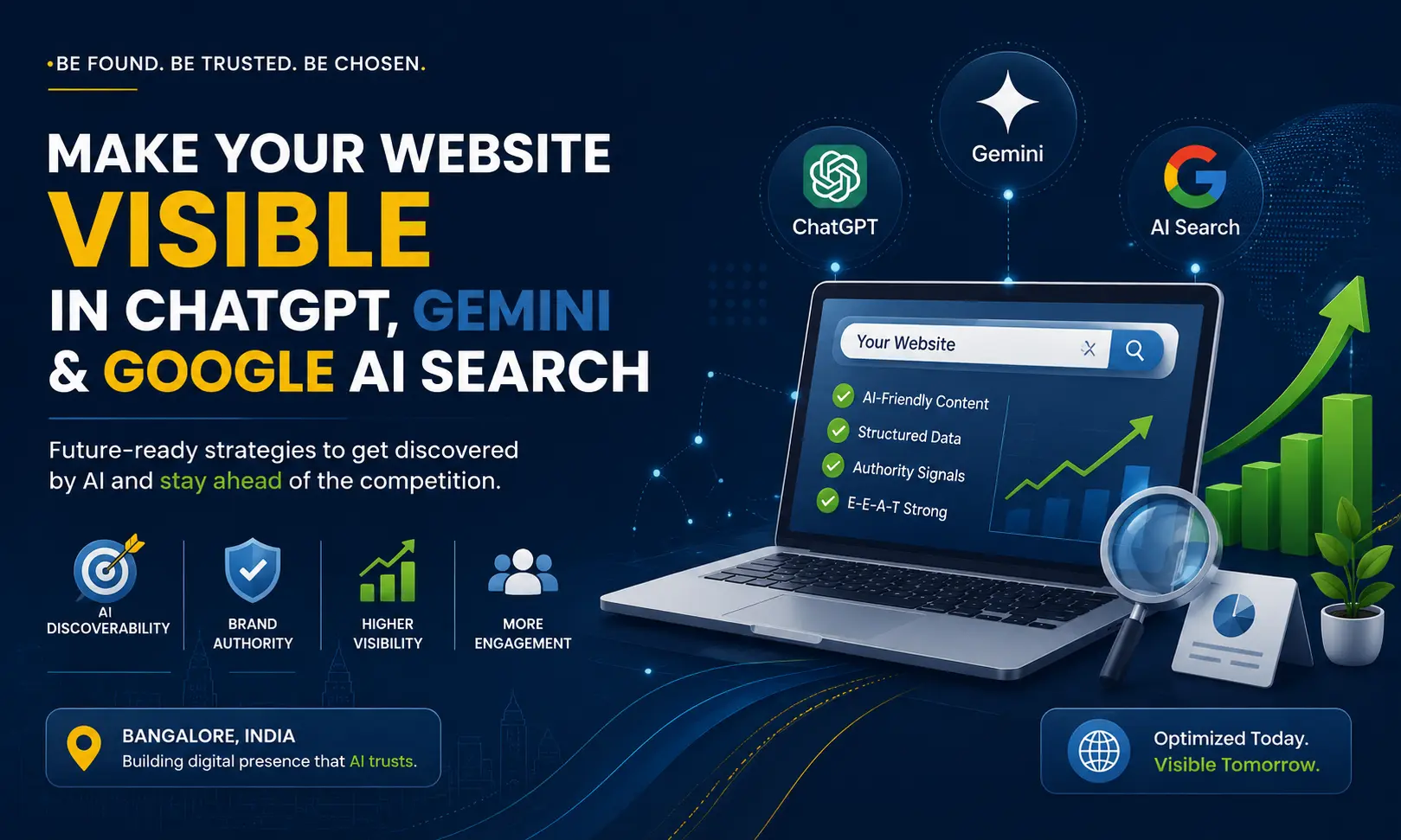
Search is evolving faster than ever before. While Google remains an important traffic source, AI assistants and generative search platforms are becoming part of everyday decision-making.
SEO brings visitors through traditional search results, AEO helps deliver direct answers, and GEO positions your website as a dependable source for AI-generated responses.
Businesses that embrace these three approaches together will be better prepared for the future of online search. Instead of chasing algorithms, focus on publishing useful, trustworthy and well-structured content that genuinely helps your audience.
Looking to future-proof your website? Get in touch with our team to discuss SEO-friendly, AI-ready website development and digital growth strategies.
Other Blogs
Subscribe
Get the latest blog updates directly in your inbox.